
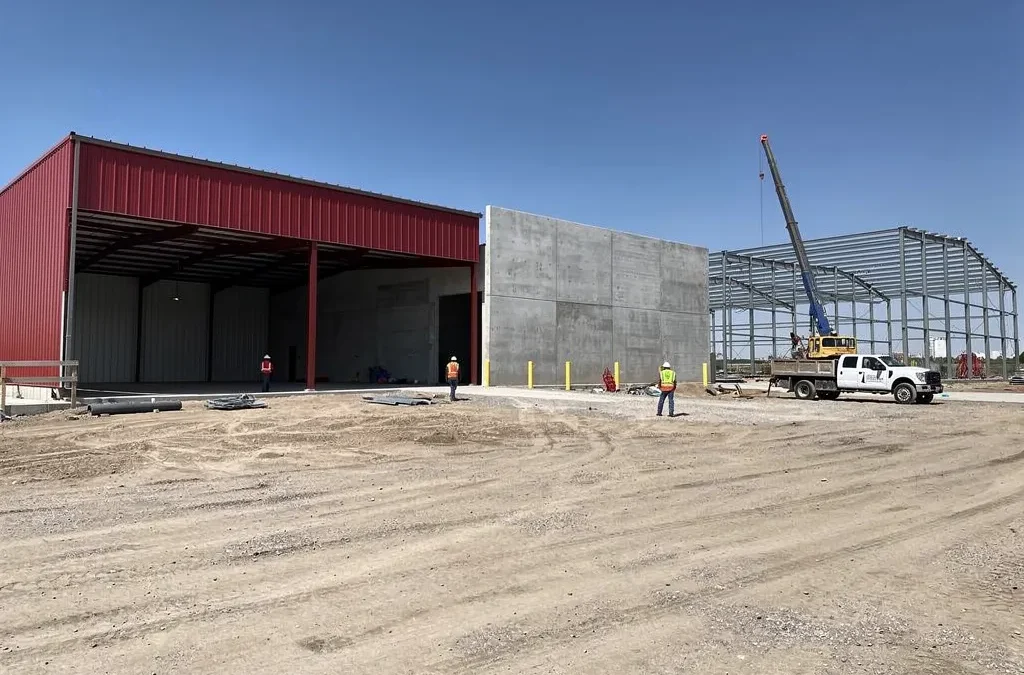
Colorado commercial builders choose among three structural systems based on site conditions and timeline: pre-engineered metal buildings (PEMB) suit rapid erection and wide clear spans, tilt-up concrete delivers durable, architecturally finished enclosures, and traditional structural steel offers design flexibility for complex geometries. Evergreen Industrial’s in-house fabrication shop and field crews evaluate structural, budget, and schedule priorities before recommending a system.
Key Takeaways
PEMBs enable rapid erection and wide clear spans, ideal for industrial facilities requiring quick deployment and future expansion.
Tilt-up concrete offers a durable, cost-competitive option for full-shell construction, well suited to architecturally finished warehouses.
Traditional steel requires specialized erection expertise; Evergreen Industrial’s internal Steel Erect division manages this critical construction phase efficiently.
Site conditions, operational needs, and lifecycle costs determine optimal building method selection for Colorado commercial projects.
What Criteria Should Guide the Material Decision?
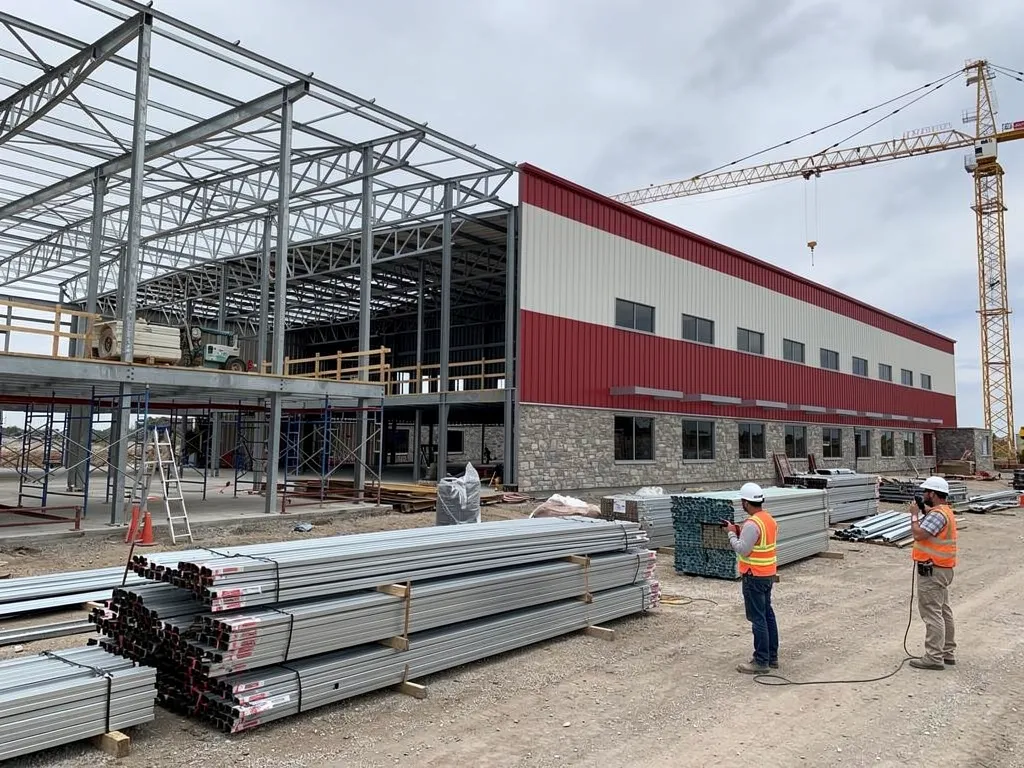
Budget, timeline, span requirements, and long-term facility use drive the PEMB vs steel building decision for Colorado projects. Site access, local labor availability, and future expansion plans narrow the field further before any Colorado developer commits to a structural system.
Evergreen Industrial’s internal Steel Erect division allows direct, side-by-side evaluation of structural steel and pre-engineered metal building Colorado scopes before a project moves past schematic design. Preconstruction services, including permitting coordination and project budget estimating, establish accurate cost and schedule benchmarks before teams choose between PEMB, conventional steel, or tilt-up concrete.
Does tilt-up concrete cost less than steel construction in Colorado?
Tilt-up concrete wall panel construction carries a cost structure tied to panel size, cladding, and finish requirements, generally translating to a lower total building cost for full-shell projects. This method can reduce overall building costs compared to traditional steel building vs PEMB approaches, depending on scale and design complexity.
How Do PEMB, Steel, and Tilt-Up Compare?
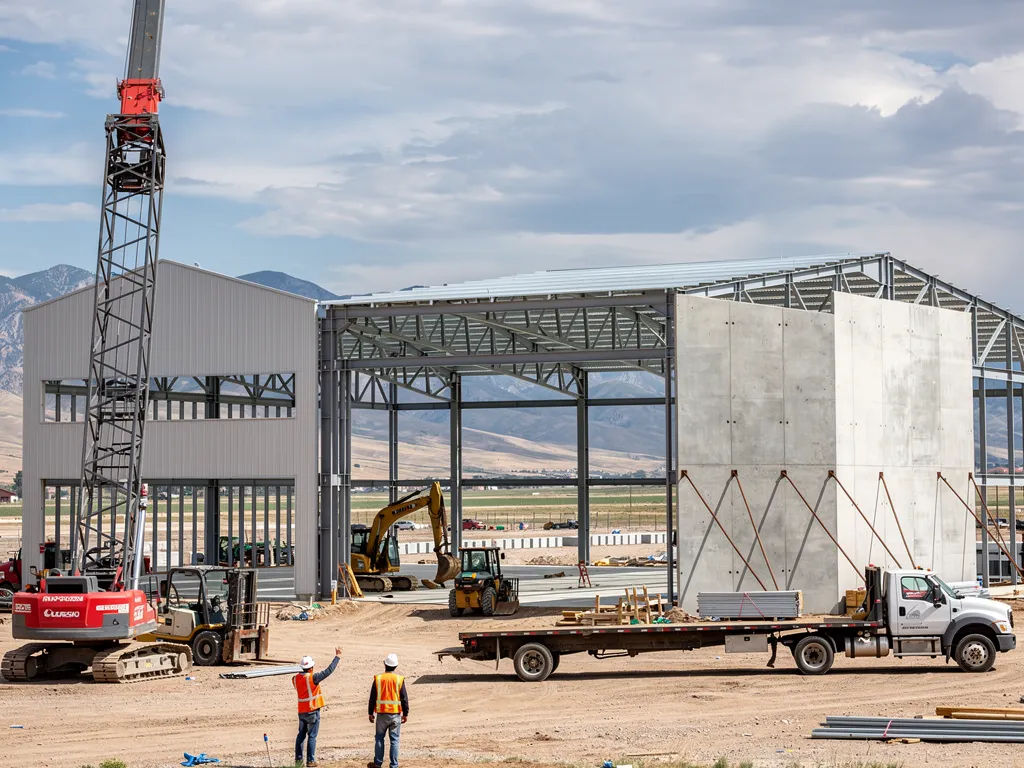
Three structural systems dominate Colorado commercial and industrial projects: pre-engineered metal buildings, conventional structural steel, and tilt-up concrete. Each carries distinct tradeoffs in speed, span capability, and long-term flexibility. Evergreen Industrial provides construction services spanning general contracting, PEMB selection and procurement, steel erection, and general trades install and labor, giving Colorado developers a single point of accountability across every system.
PEMB vs steel building decisions often hinge on how the frame gets built. A pre-engineered metal building relies on a factory-designed steel frame with coordinated roof and wall components, engineered and fabricated before it reaches the site. Traditional steel building vs PEMB comparisons show conventional structural steel assembled and connected piece by piece on site, offering more design flexibility for irregular layouts but requiring more field labor hours.
Which system expands most easily?
Pre-engineered metal building Colorado projects commonly support wide clear spans and future bay extensions, with fewer interior columns getting in the way of racking or equipment layouts. That flexibility matters for distribution and manufacturing facilities anticipating growth.
Evergreen Industrial delivers design-build steel fabrication. Installation under one roof, moving projects from concept through completed installation with one coordinated team. Combining engineering coordination, precision fabrication, and professional installation reduces lead times and contains cost across both PEMB vs steel building and tilt-up vs metal building scopes alike.
Which Building System Fits Your Colorado Project?
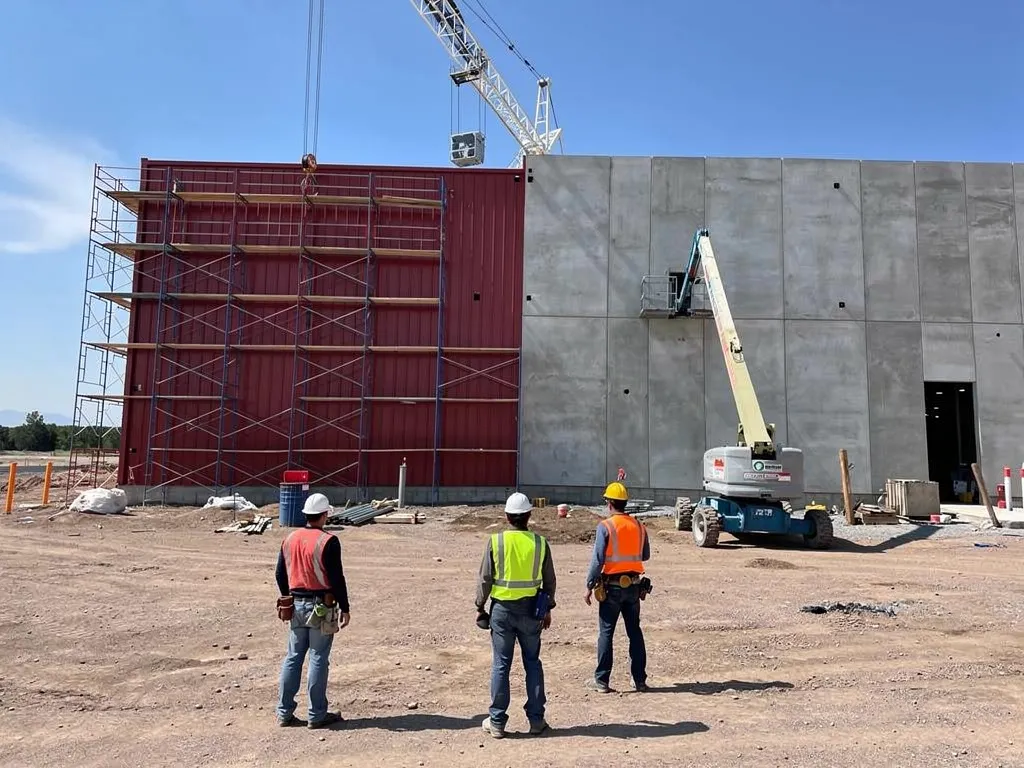
Project scale, timeline, and end use determine the right structural system for Colorado industrial and commercial builds. Facility owners weighing pre-engineered metal building Colorado projects against tilt-up concrete commercial building Colorado options need a contractor capable of delivering either system, not one locked into a single method. Evergreen Industrial specializes in design/build delivery, keeping design and construction responsibility under one contract no matter which structural system a project requires.
That single-contract model matters because Evergreen Industrial’s services span general contracting, PEMB selection and procurement, steel erection, and general trades labor. One coordinated team can execute a traditional steel building vs PEMB decision or pivot to tilt-up concrete without bringing in outside subcontractors. Headquartered in Johnstown, Colorado, the company services the Western US with particular focus on Northern Colorado’s commercial and industrial market.
Is tilt-up or metal building construction cheaper for warehouses?
Scale drives the cost answer more than material preference. Tilt-up concrete generally wins on durability and first cost for ambient warehouse space above roughly 80,000 square feet. Smaller footprints often favor a PEMB vs steel building comparison in Evergreen Industrial’s favor. Evergreen Industrial’s design-build guidance weighs that threshold against each project’s specific layout, timeline, and budget before recommending a direction in the ongoing tilt-up vs metal building evaluation.
FAQs
Which structural system erects fastest for Colorado industrial projects?
Pre-engineered metal buildings enable rapid erection. Wide clear spans, making them ideal for industrial facilities requiring quick deployment and future expansion in Colorado.
Who manages steel erection for Evergreen Industrial projects?
Evergreen Industrial’s internal Steel Erect division manages the steel erection phase, allowing direct, side-by-side evaluation of structural steel and PEMB scopes.
What factors determine the right structural system for a Colorado project?
Budget, timeline, span requirements, long-term facility use, site access, local labor availability, and future expansion plans all guide the material decision.
Closing Thoughts
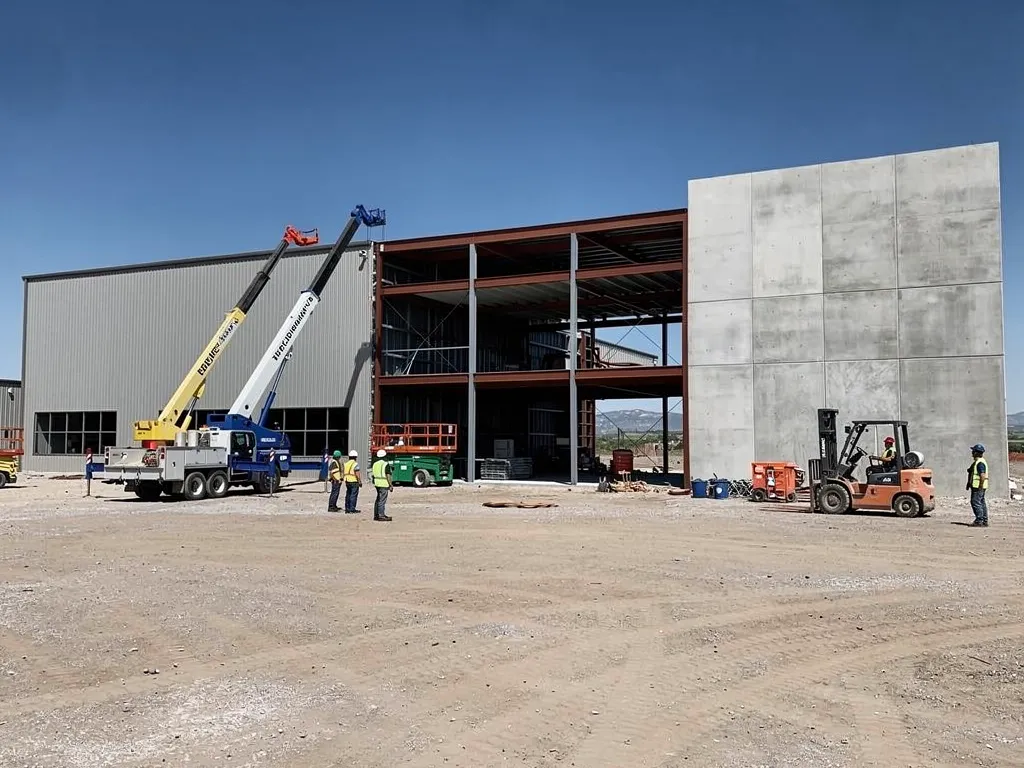
In closing, the choice between PEMB, traditional steel, and tilt-up concrete hinges on your project’s specific operational demands, site constraints, and lifecycle priorities. Each system delivers distinct advantages in speed, cost control, and long-term performance. Colorado’s climate and regulatory environment demand rigorous preconstruction planning and structural expertise. Engaging a contractor with integrated design-build capabilities. In-house steel erection resources ensures seamless coordination from permitting through final assembly, eliminating costly delays and delivering a facility engineered for your operational requirements.
Recent Comments